

How Can CCTV Installation and Cabling Help Businesses Securely?
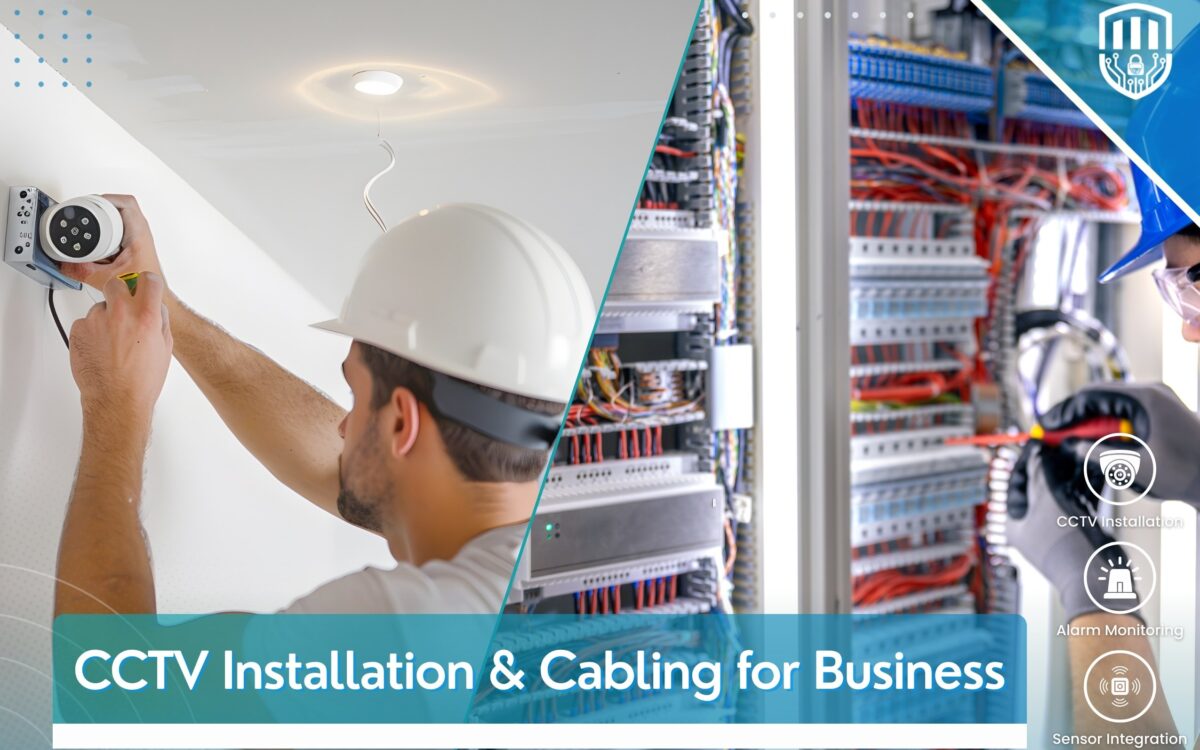
CCTV installation and cabling for businesses involves designing a complete surveillance system that ensures full security coverage across offices, warehouses, retail spaces, and industrial sites. It includes selecting the right type of cameras, planning optimal placement, and setting up proper structured cabling to ensure stable video transmission. A well-planned installation also focuses on minimizing blind spots, ensuring high-quality recording, and enabling smooth monitoring through centralized or remote access systems.
Professional security providers follow a systematic approach when handling CCTV setup to ensure reliability, safety, and long-term performance. Proper cable management, high-quality connectors, and secure network configuration are essential parts of the process. CCTV Installation & Cabling for Business CCTV installation & cabling for business is important for organizations looking to strengthen security infrastructure and maintain continuous surveillance without interruptions or technical issues.
Introduction to CCTV Installation & Cabling for Business Security
In modern commercial environments, security has become a structured requirement rather than an optional facility, especially as businesses in urban regions like Dubai increasingly rely on digital monitoring systems to protect assets, employees, and operational data. A properly designed surveillance setup is not only about installing cameras but also about ensuring that the entire infrastructure, including wiring, connectivity, and system configuration, works in a stable and legally compliant manner. This is why CCTV Installation & Cabling for Business is considered a foundational element of any professional security strategy implemented by 111 HiTech Security, where solutions are designed according to commercial risk levels and operational scale.
Why Businesses Need Professional CCTV Systems
Commercial spaces such as offices, warehouses, retail outlets, and industrial facilities face risks including unauthorized access, internal theft, and operational blind spots, which require continuous monitoring through structured surveillance systems. A professionally designed CCTV system ensures that every critical area is monitored in real time, helping management maintain accountability and safety standards across all business functions.
Importance of Structured Cabling in Surveillance Systems
Without proper cabling infrastructure, even high-end CCTV cameras may fail to deliver stable video transmission or reliable recording performance. Structured cabling ensures that data flows efficiently between cameras, recording devices, and monitoring stations, reducing signal loss and improving long-term system reliability in commercial environments.
What is CCTV Installation for Commercial Properties?
Overview of CCTV Systems in Business Environments
Commercial CCTV systems are designed to monitor multiple zones simultaneously, including entrances, workstations, storage areas, and restricted access points. These systems operate continuously to ensure that every movement within the premises is recorded and analyzed for security and operational control.
Key Components of a Business CCTV Setup
A complete surveillance system includes cameras, recording devices (DVR/NVR), storage units, networking equipment, and cabling infrastructure. Each component must be properly configured to ensure seamless communication and uninterrupted recording performance.
IP Cameras vs Analog Cameras for Businesses
IP cameras provide higher resolution, remote accessibility, and advanced analytics, while analog systems are often used for cost-efficient deployments. The selection depends on business size, security requirements, and scalability expectations.
Importance of Proper CCTV Cabling in Business Security Systems
Role of Structured Cabling in CCTV Performance
Structured Cabling for CCTV Systems in Businesses ensures that video signals are transmitted without interference, supporting stable monitoring and reducing system downtime in high-traffic commercial environments.
Common Issues Caused by Poor Cabling Installation
Improper cabling can lead to video distortion, signal interruptions, delayed recording, and even complete system failure, which can compromise business security and create operational risks.
How Cabling Affects Video Quality and System Reliability
The quality of cables directly impacts resolution clarity, frame stability, and data transmission speed, making cabling one of the most critical technical elements in CCTV infrastructure design.
Types of CCTV Cabling Used in Business Installations
Coaxial Cables for Traditional CCTV Systems
Coaxial cables are commonly used in analog systems and provide reliable signal transmission over moderate distances, making them suitable for basic surveillance setups.
Ethernet Cables for IP-Based CCTV Systems
Ethernet cables support high-speed data transfer and are widely used in modern IP surveillance systems, enabling remote access and advanced video analytics.
Fiber Optic Cabling for Large Commercial Projects
Fiber optic infrastructure is ideal for large-scale installations where long-distance transmission and high bandwidth are required for uninterrupted monitoring.
Step-by-Step CCTV Installation Process for Businesses
Site Survey and Security Requirement Analysis
111 HiTech Security begins each project by evaluating the property layout, identifying risk zones, and understanding operational requirements before designing the system.
Planning Camera Placement for Maximum Coverage
Strategic placement ensures full visibility of entry points, sensitive areas, and high-traffic zones to eliminate blind spots and improve surveillance efficiency.
Cable Routing and Infrastructure Setup
During this phase, proper routing is planned to ensure safe installation, minimal interference, and long-term durability of the system.
Camera Installation and Configuration
Cameras are installed and configured according to security objectives, ensuring correct angle positioning, resolution settings, and connectivity.
Testing and System Optimization
Final testing ensures that the entire system operates efficiently, with optimized recording, playback, and monitoring performance.
Best Practices for CCTV Cabling in Commercial Buildings
Ensuring Proper Cable Management and Protection
Well-organized cable routing prevents physical damage, reduces maintenance issues, and improves long-term system stability.
Avoiding Signal Interference and Data Loss
Proper shielding and separation from electrical lines help maintain clean video transmission without distortion.
Compliance with Safety and Security Standards
Commercial installations must follow safety regulations to ensure secure and legally compliant system deployment.
Benefits of Professional CCTV Installation & Cabling
Enhanced Business Security and Theft Prevention
A professionally designed system reduces unauthorized activities and improves overall workplace safety.
Remote Monitoring and Real-Time Access
Business Security Camera Wiring Installation enables real-time access to surveillance footage, allowing management to respond quickly to incidents.
Long-Term Cost Savings and System Efficiency
Proper installation reduces maintenance costs and improves system lifespan, ensuring long-term operational efficiency.
Common Mistakes to Avoid in CCTV Installation
Poor Camera Placement and Blind Spots
Incorrect positioning reduces visibility and creates security gaps within the monitored area.
Using Low-Quality Cables or Equipment
Inferior materials can lead to frequent failures and reduced system performance over time.
Improper Network Configuration
Incorrect setup can cause delays, buffering, or loss of remote access functionality.
Choosing the Right CCTV Installation Company for Your Business
Factors to Consider Before Hiring a Security Provider
Experience, technical capability, and understanding of commercial security requirements are essential when selecting a provider.
Importance of Experience and Technical Expertise
Skilled professionals ensure accurate system design and reliable installation outcomes.
Maintenance and After-Sales Support Services
Continuous support ensures long-term system performance and reduces downtime risks.
Future Trends in Business CCTV Systems
AI-Powered Surveillance and Smart Analytics
Artificial intelligence improves threat detection and reduces false alerts through intelligent monitoring systems.
Cloud-Based CCTV Storage Solutions
Cloud storage allows secure data backup and remote accessibility from multiple locations.
Integration with Access Control Systems
Modern security systems combine surveillance and entry management for complete protection coverage.
Conclusion
Why CCTV Installation & Cabling is Essential for Modern Businesses
In today’s competitive and security-sensitive business environment, a well-planned surveillance infrastructure is no longer optional but a necessary investment for operational safety and asset protection. A properly executed CCTV Installation & Cabling for Business strategy ensures reliable monitoring, stable connectivity, and long-term system efficiency. With professional expertise from 111 HiTech Security, businesses can achieve fully optimized surveillance solutions designed to meet evolving security demands and ensure uninterrupted protection across all operational areas.
111 HiTech Security Services in Dubai, UAE
Get reliable and advanced security solutions in Dubai from
111 HiTech Security. We provide professional installation, maintenance, repair, and technical support services for residential, commercial, and industrial properties across Dubai, UAE.
111 HiTech Security is a trusted SIRA Approved Service Provider in Dubai, UAE, offering professional CCTV installation, home security cameras, access control systems, structured cabling, and advanced surveillance solutions for residential and commercial properties across Dubai.