

How Does CCTV Installation and Cabling Work for Security?
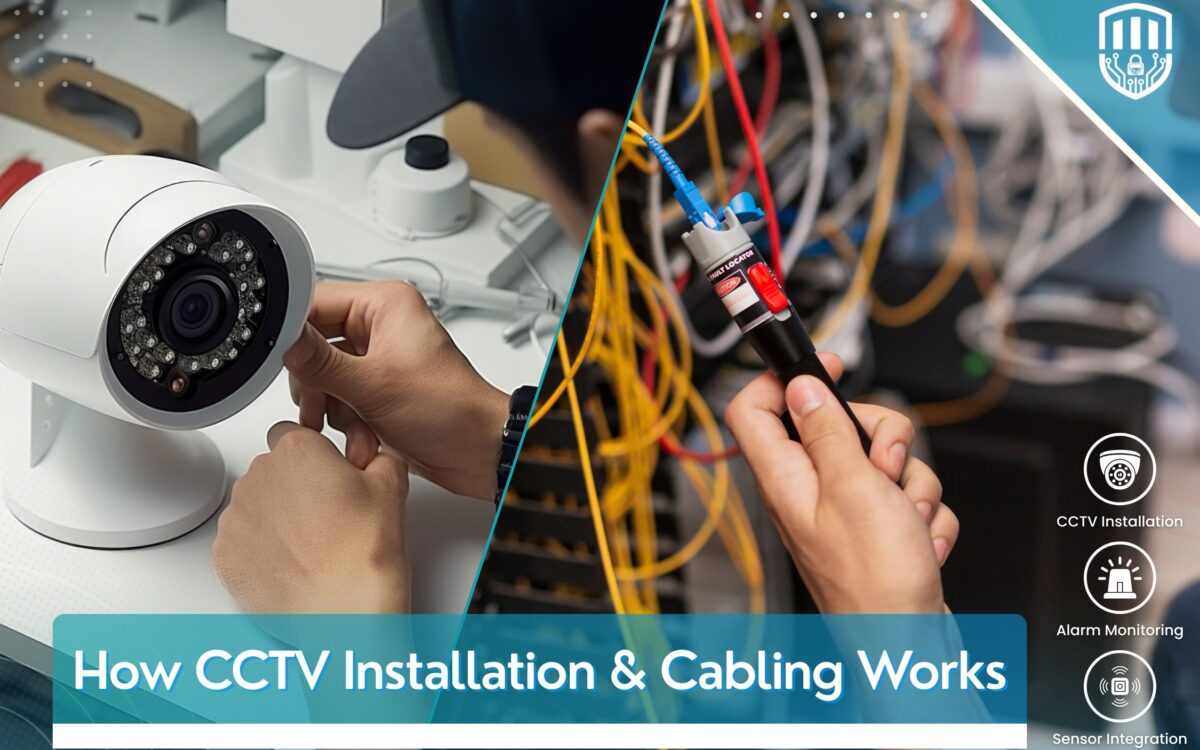
CCTV installation and cabling begin with a site assessment to identify the best locations for cameras based on the property’s security requirements. Once the camera positions are planned, technicians run the necessary cables to connect the cameras to a recording device, network system, or monitoring station. The cabling is carefully routed through walls, ceilings, or conduits to ensure a neat appearance while protecting the cables from damage. After installation, the cameras are configured, tested, and adjusted to provide clear coverage of key areas.
CCTV Installation & Cabling plays a crucial role in ensuring a reliable and effective surveillance system. Proper cabling supports stable video transmission, power supply, and network connectivity, helping the cameras operate without interruptions. Professional installation also includes testing camera angles, recording functions, and remote viewing features to ensure the entire system performs efficiently and provides consistent security monitoring for homes, offices, and commercial properties.
Introduction to CCTV Installation & Cabling
What Is a CCTV System?
A CCTV system is a surveillance solution that captures, records, and monitors activities within a designated area. The system typically includes cameras, recording devices, storage systems, power supplies, and network infrastructure that work together to deliver real-time security monitoring.
Why Proper CCTV Installation Matters
Proper installation directly impacts camera coverage, video quality, system reliability, and long-term performance. Professional installation ensures that all equipment functions efficiently while complying with security requirements and operational standards.
Understanding CCTV System Components
CCTV Cameras and Their Functions
CCTV cameras serve as the primary surveillance devices responsible for capturing video footage. Different camera types are selected based on coverage requirements, environmental conditions, and monitoring objectives.
DVR, NVR, and Storage Devices
Recording devices store surveillance footage for future review and incident investigation. Storage capacity requirements vary depending on the number of cameras, recording duration, and video resolution.
Power Supply and Network Equipment
Reliable power and network connectivity are essential for uninterrupted system operation. Properly designed infrastructure supports stable video transmission and continuous recording.
Planning a CCTV Installation Project
Site Survey and Security Assessment
Every CCTV project begins with a detailed assessment of the property. Security experts identify vulnerable areas, entry points, high-traffic zones, and operational requirements to develop a customized surveillance strategy.
Choosing the Best Camera Locations
Camera placement significantly affects surveillance effectiveness. Strategic positioning helps eliminate blind spots while providing complete visibility of critical areas.
Determining Cabling Requirements
The planning stage also includes evaluating cable routes, equipment locations, network infrastructure, and future expansion possibilities to ensure efficient system deployment.
How CCTV Cabling Works
Types of CCTV Cables Used
Coaxial Cables
Coaxial cables are commonly used in traditional surveillance systems and provide reliable video transmission over designated distances.
Cat5e and Cat6 Network Cables
The CCTV Cabling and Wiring Guide for modern IP-based systems often recommends Cat5e and Cat6 cables because they support both data transmission and Power over Ethernet (PoE) functionality.
Fiber Optic Cables for Large Installations
Fiber optic cabling is used in large-scale projects where long-distance transmission and high-speed communication are required.
Power and Data Transmission Explained
Surveillance systems require both power and data connectivity. Proper cabling infrastructure ensures stable communication between cameras and recording devices while maintaining video quality.
Cable Routing and Cable Management Best Practices
Professional cable management improves system organization, protects infrastructure from environmental damage, and simplifies future maintenance activities.
Step-by-Step CCTV Installation Process
Installing Camera Mounts
The first installation phase involves securely mounting cameras in predetermined locations to maximize coverage and visibility.
Running CCTV Cables Safely
The How CCTV Installation & Cabling Works process includes routing cables through secure pathways that protect connections from interference, damage, and environmental exposure.
Connecting Cameras to the Recording System
After cabling is completed, cameras are connected to recording devices and network infrastructure to establish system communication.
Configuring Network and Remote Access
The CCTV Camera Installation Process includes configuring network settings, user permissions, remote viewing capabilities, and monitoring functions.
Testing Camera Performance and Coverage
Comprehensive testing verifies image quality, recording functionality, storage performance, and complete surveillance coverage.
Common Challenges in CCTV Installation & Cabling
Signal Loss and Interference Issues
Improper cabling or poor infrastructure design can result in signal degradation and reduced video quality.
Improper Cable Routing Problems
Incorrect routing methods may expose cables to physical damage and environmental risks, reducing overall system reliability.
Weather and Environmental Considerations
Outdoor installations require durable infrastructure capable of withstanding temperature fluctuations, moisture, dust, and other environmental factors.
Benefits of Professional CCTV Installation Services
Improved Security Coverage
Professional installation ensures optimal camera placement, reducing surveillance gaps and increasing security effectiveness.
Reliable System Performance
Proper implementation of Security Camera Installation and Setup practices improves operational stability and minimizes system downtime.
Reduced Maintenance Costs
Correct installation methods reduce future repair requirements and support long-term system performance.
CCTV Installation & Cabling Maintenance Tips
Regular System Inspections
Routine inspections help identify potential issues before they impact surveillance performance.
Cable Condition Monitoring
Periodic cable assessments ensure that infrastructure remains secure, protected, and fully operational.
Software and Firmware Updates
Regular updates improve functionality, enhance cybersecurity, and support ongoing system reliability.
Choosing the Right CCTV Installation Company
Experience and Technical Expertise
Choosing an experienced provider ensures accurate planning, professional installation, and dependable support services.
Quality of Equipment and Cabling
The use of quality infrastructure and proper CCTV System Wiring and Configuration practices directly affects surveillance performance and longevity.
After-Sales Support and Maintenance
Ongoing technical support helps maintain system efficiency while addressing operational requirements as security needs evolve.
Conclusion
Key Takeaways on How CCTV Installation & Cabling Works
Understanding How CCTV Installation & Cabling Works allows property owners to appreciate the importance of proper planning, professional installation, and structured infrastructure in achieving reliable security coverage.
Ensuring Long-Term Security with Proper Installation and Cabling
At 111 HiTech Security, we specialize in delivering professional surveillance solutions that maximize system performance, improve security coverage, and support long-term operational reliability. By choosing expert installation services, businesses and homeowners can ensure their CCTV systems remain effective, scalable, and dependable for years to come.
111 HiTech Security Services in Dubai, UAE
Get reliable and advanced security solutions in Dubai from
111 HiTech Security. We provide professional installation, maintenance, repair, and technical support services for residential, commercial, and industrial properties across Dubai, UAE.
111 HiTech Security is a trusted SIRA Approved Service Provider in Dubai, UAE, offering professional CCTV installation, home security cameras, access control systems, structured cabling, and advanced surveillance solutions for residential and commercial properties across Dubai.