

Expert Structured Cabling & Networking Tips
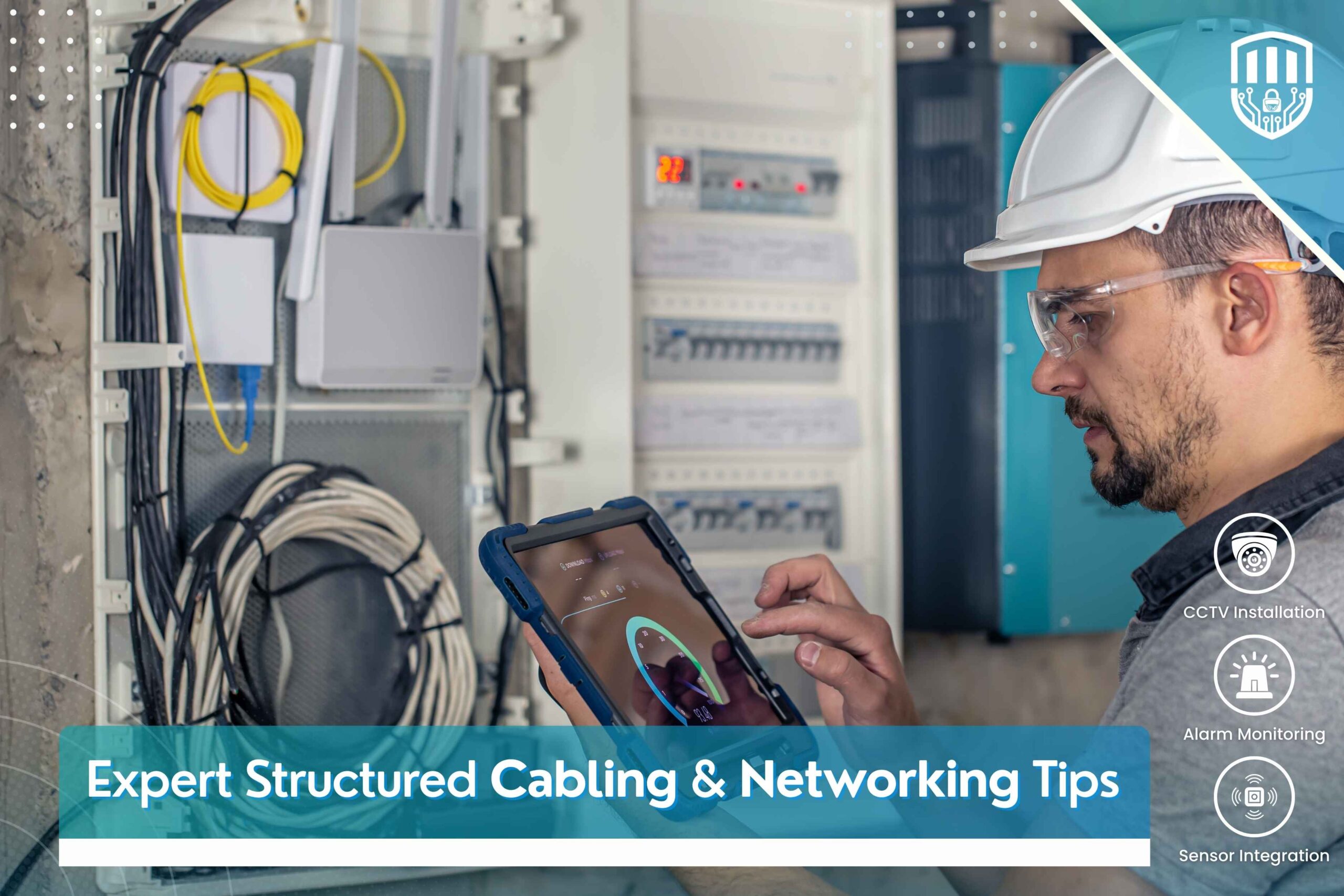
Expert structured cabling and networking tips focus on creating a reliable, organized, and scalable infrastructure that supports efficient data communication. Best practices include using high-quality cables, properly labeling all connections, planning cable routes carefully, and maintaining industry standards during installation. Regular testing and maintenance are also essential to ensure optimal network performance, minimize downtime, and support future technology upgrades.
Following Expert Structured Cabling & Networking Tips can help businesses improve network reliability, simplify troubleshooting, and reduce long-term operational costs. A well-designed cabling system provides better connectivity, supports higher data transfer speeds, and allows for easier expansion as business needs grow. By investing in proper planning and professional installation, organizations can build a strong networking foundation that delivers consistent performance and long-term value.
What Is Structured Cabling and Why Is It Important?
Understanding the Basics of Structured Cabling Systems
Structured cabling refers to a standardized approach for designing and installing communication cabling systems within commercial buildings and office environments. Instead of relying on disconnected wiring methods, structured cabling creates an organized framework that supports voice, data, security, and communication technologies through a unified infrastructure.
Benefits of a Well-Planned Network Infrastructure
A professionally designed cabling system improves network reliability, simplifies maintenance procedures, and reduces operational disruptions. Businesses benefit from better connectivity, improved system performance, and easier expansion capabilities as technology requirements evolve.
How Structured Cabling Supports Business Growth
As organizations expand, network demands increase. A scalable infrastructure allows companies to add new users, devices, and technologies without requiring extensive modifications to existing systems, making long-term growth more manageable and cost-effective.
Key Components of a Structured Cabling System
Network Cables and Their Functions
Network cables serve as the primary medium for transmitting data between devices. High-quality cabling supports efficient communication while minimizing performance issues and signal degradation. Professional Structured Cabling Solutions ensure that businesses maintain consistent network performance throughout their facilities.
Patch Panels, Racks, and Cable Management
Patch panels and equipment racks help organize network connections while improving accessibility for maintenance and future upgrades. Proper cable management contributes to cleaner installations and more efficient troubleshooting processes.
Data Outlets and Connectivity Points
Data outlets provide users with convenient access to network resources. Strategic placement of connectivity points improves workplace functionality and supports operational flexibility.
Expert Structured Cabling Installation Tips
Plan Your Network Layout Before Installation
Successful network implementation begins with detailed planning. Evaluating building layouts, user requirements, equipment locations, and future expansion needs helps create a structured design that supports long-term business objectives.
Choose the Right Cabling Category for Your Needs
Selecting appropriate cable categories based on bandwidth requirements, transmission speeds, and future scalability goals is essential for maintaining reliable connectivity and supporting modern business applications.
Follow Industry Standards and Compliance Requirements
Organizations should ensure that all installations follow recognized standards and regulatory requirements. Following established guidelines promotes safety, reliability, and consistent network performance.
Avoid Common Cable Routing Mistakes
Improper routing can negatively impact performance and maintenance accessibility. Careful planning helps reduce congestion, protect cables from damage, and maintain organized pathways.
Best Practices for Network Cable Management
Organizing Cables for Improved Performance
Effective cable organization supports airflow, simplifies maintenance, and reduces the likelihood of accidental disconnections or infrastructure-related disruptions.
Labeling and Documentation Strategies
Accurate labeling and documentation improve system management by helping technical teams identify connections quickly during maintenance or expansion projects.
Preventing Signal Interference and Crosstalk
Proper separation of communication cables from electrical systems helps minimize interference and maintain reliable data transmission throughout the network environment.
How to Improve Network Performance Through Structured Cabling
Optimizing Bandwidth and Data Transmission
A professionally designed cabling infrastructure supports faster communication, efficient data movement, and improved application performance. Businesses seeking Expert Structured Cabling & Networking Tips should prioritize infrastructure quality as a key component of network optimization.
Reducing Downtime with Reliable Cabling Solutions
Reliable network infrastructure minimizes connectivity issues, helping organizations maintain productivity and reduce costly operational interruptions.
Future-Proofing Your Network Infrastructure
Future-ready designs allow businesses to accommodate emerging technologies and increasing bandwidth requirements without significant infrastructure replacement.
Common Structured Cabling Mistakes to Avoid
Poor Cable Planning and Design
Insufficient planning often leads to inefficiencies, increased maintenance costs, and limitations when expanding network capabilities.
Using Low-Quality Networking Components
Investing in quality infrastructure components supports long-term reliability and reduces the risk of performance-related issues. Professional Network Cabling Installation services help ensure consistent quality throughout the deployment process.
Ignoring Maintenance and Network Testing
Regular inspections and testing help identify potential issues before they affect operational performance, supporting long-term system reliability.
Structured Cabling for Commercial and Office Environments
Small Business Networking Considerations
Small businesses require flexible infrastructure capable of supporting current operations while allowing future growth and technology adoption.
Enterprise Network Infrastructure Requirements
Large organizations often require extensive connectivity solutions capable of supporting multiple departments, applications, and communication systems.
Scalability Tips for Expanding Organizations
Scalable designs help businesses adapt to workforce growth, technology upgrades, and changing operational demands without extensive infrastructure redesign.
Network Testing and Maintenance Tips
Importance of Cable Certification and Testing
Testing verifies that installed cabling meets performance expectations and supports reliable communication throughout the network environment.
Routine Network Inspections and Troubleshooting
Regular evaluations help identify performance concerns, maintain system efficiency, and reduce unexpected service interruptions. Professional Data Cabling Services can support ongoing infrastructure reliability.
When to Upgrade Your Existing Cabling System
Businesses should consider upgrades when current infrastructure can no longer support operational requirements, bandwidth demands, or emerging technologies.
Choosing a Professional Structured Cabling Provider
Qualities to Look for in a Cabling Contractor
Organizations should evaluate technical expertise, project experience, service capabilities, and commitment to quality when selecting a provider.
Questions to Ask Before Hiring a Networking Expert
Understanding project scope, support services, compliance practices, and implementation methodologies helps organizations make informed decisions.
Evaluating Experience, Certifications, and Support
111 HiTech Security delivers professional infrastructure solutions designed to meet modern business requirements while supporting long-term operational success.
Frequently Asked Questions About Structured Cabling
How Long Does a Structured Cabling System Last?
A professionally installed system can provide dependable performance for many years, depending on technology requirements, maintenance practices, and operational demands.
What Is the Difference Between Cat5e, Cat6, and Cat6A?
These cable categories differ in bandwidth capacity, transmission speed, and overall performance capabilities, with newer categories generally supporting higher data requirements.
How Much Does Structured Cabling Installation Cost?
Project costs vary based on facility size, infrastructure complexity, performance requirements, and future scalability considerations. Comprehensive Commercial Network Infrastructure planning helps organizations maximize long-term value.
Final Thoughts on Expert Structured Cabling & Networking Tips
Building a Reliable, Scalable, and Future-Ready Network Infrastructure
A strong network foundation is essential for business success in today’s technology-driven environment. By following Expert Structured Cabling & Networking Tips, organizations can improve performance, support growth, and enhance operational efficiency. Working with 111 HiTech Security ensures access to professional expertise, strategic planning, and reliable infrastructure solutions designed to meet evolving business needs. As connectivity demands continue increasing across commercial environments, investing in a professionally managed cabling system remains one of the most effective ways to create a dependable and future-ready technology infrastructure.
Businesses seeking long-term network reliability, scalability, and operational efficiency can benefit from consulting 111 HiTech Security for tailored infrastructure solutions. Implementing Expert Structured Cabling & Networking Tips through experienced professionals helps organizations achieve stable connectivity, support digital transformation initiatives, and maintain competitive advantages in an increasingly connected business landscape.
111 HiTech Security Services in Dubai, UAE
Get reliable and advanced security solutions in Dubai from
111 HiTech Security. We provide professional installation, maintenance, repair, and technical support services for residential, commercial, and industrial properties across Dubai, UAE.
111 HiTech Security is a trusted SIRA Approved Service Provider in Dubai, UAE, offering professional CCTV installation, home security cameras, access control systems, structured cabling, and advanced surveillance solutions for residential and commercial properties across Dubai.