

What Is Structured Cabling in Networking?
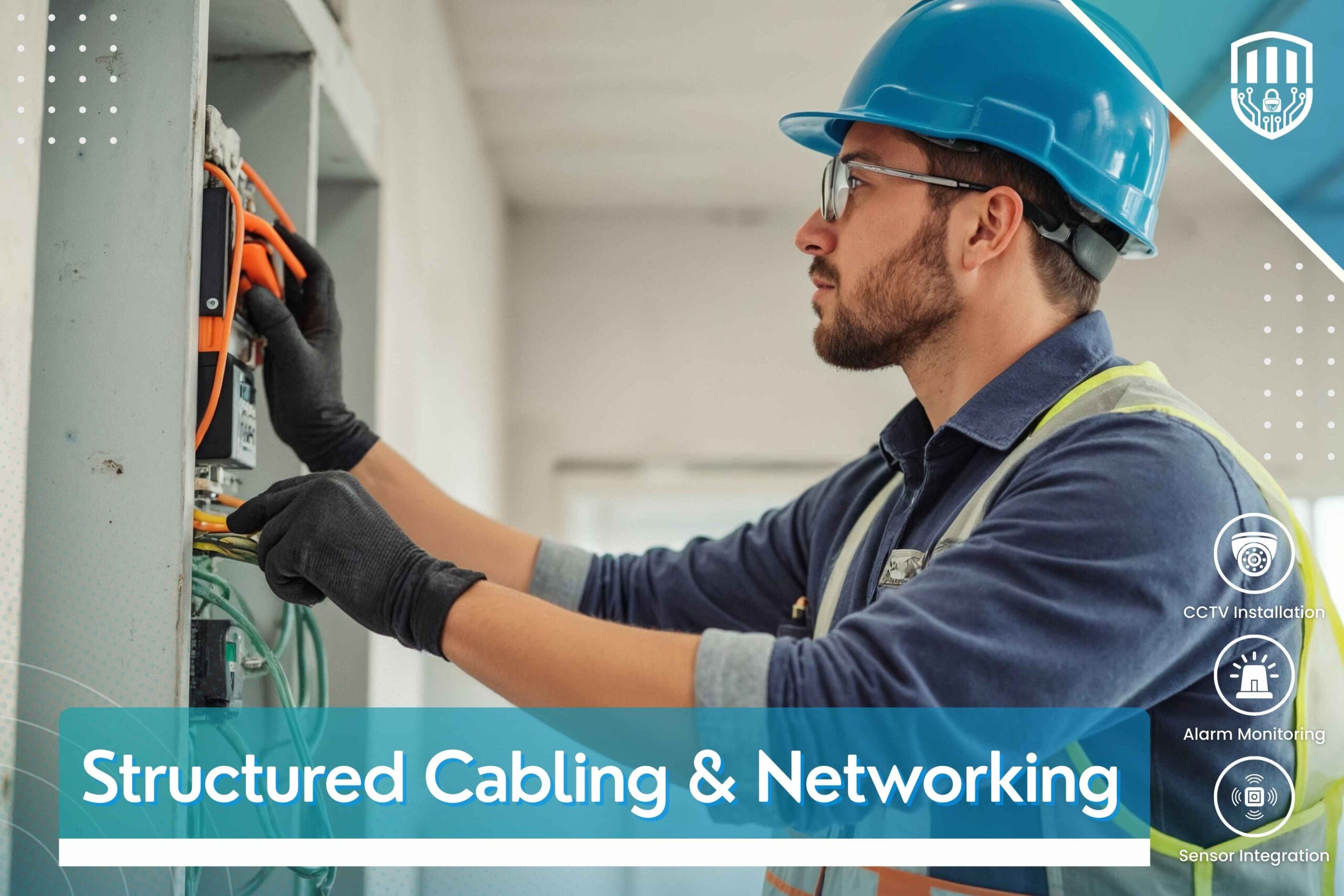
Structured cabling is a standardized system of cables, connectors, and network hardware used to support communication and data transmission within a building or facility. It provides an organized infrastructure for connecting computers, servers, telephones, CCTV systems, access control devices, and other network equipment. A well-designed structured cabling system improves network performance, simplifies maintenance, and allows for easier future upgrades.
When understanding Structured Cabling & Networking, it is important to know that these systems create a reliable foundation for modern business and communication networks. Properly installed structured cabling helps ensure stable connectivity, efficient data transfer, reduced downtime, and better scalability, making it an essential component for offices, commercial buildings, educational institutions, and industrial facilities.
Understanding Structured Cabling in Networking
What Is Structured Cabling?
Structured cabling is a standardized network infrastructure system that organizes data, voice, video, and communication cables within a property or facility. Unlike traditional point-to-point wiring systems, structured cabling creates a centralized and organized network environment that simplifies management, maintenance, and future upgrades.
Why Structured Cabling Is Important for Modern Networks
Businesses and organizations depend on stable communication systems to support internet access, cloud computing, security systems, VoIP communication, and business operations. Structured Cabling & Networking provides the backbone that allows all connected systems to function efficiently while minimizing network interruptions and performance issues.
How Structured Cabling Supports Business Communication
A professionally designed cabling infrastructure supports seamless communication between computers, servers, CCTV systems, access control devices, telecommunication equipment, and wireless networks. This improves productivity and ensures reliable data transmission throughout the facility.
Difference Between Traditional Cabling and Structured Cabling Systems
Traditional cabling often becomes disorganized and difficult to manage as businesses grow. Structured cabling systems use organized layouts, centralized patch panels, and standardized cable routing methods that improve flexibility, troubleshooting, and scalability.
How Structured Cabling Systems Work
Basic Components of a Structured Cabling System
A structured cabling system includes network cables, patch panels, switches, racks, telecommunications rooms, fiber optic connections, and work area outlets. These components work together to create a centralized and efficient communication infrastructure.
Role of Network Cables, Patch Panels, and Switches
Network cables transfer data between devices, while patch panels organize cable connections and simplify management. Network switches distribute communication traffic efficiently across the network environment.
How Data Transmission Works Through Structured Cabling
Structured network infrastructure enables high-speed data transmission between connected devices, servers, wireless access points, surveillance systems, and communication platforms using organized cable pathways and optimized network architecture.
Integration with IT and Security Infrastructure
Modern structured cabling systems support integration with CCTV surveillance, access control systems, video intercoms, alarm systems, and cloud-based business applications for centralized management and operational efficiency.
Importance of Organized Network Cabling Architecture
Proper cable organization reduces signal interference, simplifies troubleshooting, and improves long-term network reliability while supporting future expansion requirements.
Main Components of Structured Cabling Systems
Entrance Facilities and Service Provider Connections
These areas connect the property’s internal network infrastructure to external internet and telecommunications service providers.
Backbone Cabling for Building Connectivity
Backbone cabling connects different floors, departments, and equipment rooms within a building to create centralized communication pathways.
Horizontal Cabling for Workstations and Devices
Horizontal cabling connects workstations, computers, IP phones, wireless access points, and network devices throughout the property.
Telecommunications Rooms and Equipment Rooms
Dedicated rooms house network equipment, servers, switches, and patch panels that manage the building’s communication infrastructure.
Patch Panels and Network Cabinets
Patch panels and cabinets organize network cables and equipment, allowing easier maintenance and system expansion.
Work Area Components and End-User Connections
These include network outlets and ports used by employees, residents, and connected devices throughout the facility.
Types of Structured Cabling Used in Networking
Copper Ethernet Cabling Systems
Copper cabling systems such as Cat5e, Cat6, and Cat6A are commonly used for high-speed data communication in commercial and residential environments.
Fiber Optic Structured Cabling Solutions
Structured Network Cabling Solutions using fiber optic technology support extremely high-speed communication and long-distance data transmission with minimal signal loss.
Cat5e, Cat6, Cat6A, and Cat7 Network Cabling
Different cable categories provide varying levels of speed, bandwidth capacity, and performance based on the network requirements of the property.
Shielded vs Unshielded Twisted Pair Cabling
Shielded cables provide additional protection against electromagnetic interference in high-performance networking environments.
Single-Mode and Multi-Mode Fiber Optic Cabling
Fiber optic systems support advanced communication infrastructure for data centers, enterprise networks, and large commercial facilities.
Data Center Structured Cabling Systems
Data Cabling and IT Networking Services are commonly used in data centers to support high-capacity communication and secure information management.
Benefits of Structured Cabling in Networking
Improved Network Performance and Reliability
Structured Cabling & Networking improves communication speed, network stability, and overall system performance across connected devices.
Faster Data Transfer and Communication
High-quality network infrastructure supports faster communication between systems, servers, and users within the property.
Easier Network Management and Maintenance
Organized network infrastructure simplifies troubleshooting, maintenance, upgrades, and future system expansion.
Reduced Downtime and Troubleshooting Issues
Professional cabling design reduces connectivity failures and minimizes business disruptions caused by network problems.
Better Scalability for Future Expansion
Businesses can easily expand their communication infrastructure without major reconstruction or network redesign.
Enhanced Support for Smart Technologies and IoT
Modern structured cabling systems support smart building technologies, IoT devices, cloud computing, and integrated security solutions.
Where Structured Cabling Systems Are Commonly Used
Office Buildings and Corporate Networks
Businesses rely on structured network systems for communication, internet access, cloud services, and centralized IT management.
Residential Villas and Smart Homes
Smart homes require reliable network infrastructure for automation systems, surveillance systems, and connected devices.
Warehouses and Industrial Facilities
Industrial facilities use structured networking to support operational communication, automation systems, and surveillance monitoring.
Schools, Universities, and Educational Institutions
Educational facilities require stable network infrastructure to support online learning platforms and communication systems.
Hospitals and Healthcare Facilities
Healthcare environments depend on secure and stable communication infrastructure for patient data management and operational efficiency.
Hotels, Retail Stores, and Commercial Properties
LAN Cabling and Network Infrastructure Setup supports customer services, POS systems, security monitoring, and communication platforms in commercial environments.
How Professional Structured Cabling Installation Improves Performance
Proper Cable Routing and Labeling
111 HiTech Security ensures organized cable management and accurate labeling for easier maintenance and long-term efficiency.
Reliable Network Testing and Certification
Professional testing verifies network performance, connectivity stability, and compliance with industry standards.
Secure Rack and Cabinet Configuration
Proper equipment organization improves airflow, accessibility, and system reliability within network environments.
Improved Network Reliability and Scalability
Professionally installed Structured Cabling & Networking systems support future growth and long-term operational stability.
Long-Term Technical Support and Maintenance
111 HiTech Security provides ongoing support and maintenance services to ensure reliable network performance and infrastructure efficiency.
Final Thoughts on Structured Cabling in Networking
Choosing the Right Structured Cabling Solution
Selecting the right network infrastructure depends on business size, bandwidth requirements, communication systems, and future expansion goals.
Investing in Long-Term Network Infrastructure
Structured cabling is a long-term investment that improves communication reliability, operational efficiency, and technology scalability.
Importance of Working with Professional Structured Cabling Experts
111 HiTech Security delivers professional Network Cabling Installation Services tailored for residential, commercial, and industrial environments across Dubai and the UAE, helping businesses build secure, scalable, and future-ready communication infrastructure.
Professional Structured Cabling & Networking Services in Dubai, UAE
We are dedicated to Serve you24/7
Residential CCTV
Commercial CCTV
Remote Monitoring
CCTV Maintenance
What Clients Want to Know
What are structured cabling services, and why are they important for businesses in Dubai?
Structured cabling services involve designing and installing an organized network infrastructure that connects devices, servers, IP phones, CCTV systems, and computers. A professionally implemented structured cabling system ensures high-speed connectivity, reduces network downtime, and allows for future scalability—making it essential for offices, commercial facilities, and businesses across Dubai.
Which types of network cabling solutions do you offer in Dubai?
We provide a wide range of network cabling solutions, including Cat5e, Cat6, Cat6a, Cat7, and fiber optic cabling. Our services cover design, installation, testing, and maintenance to ensure optimal performance for offices, residential villas, data centers, and commercial establishments across Dubai and the UAE.
Can your structured cabling solutions be customized for specific business needs?
Absolutely. At 111 HiTech Security, we provide fully customized structured cabling solutions tailored to your current and future network requirements. Our experts perform on-site surveys, analyze existing infrastructure, and design a cabling system that supports your devices efficiently while ensuring scalability for business growth.
How does structured cabling improve network performance?
Structured cabling creates an organized and standardized network system that minimizes signal interference and network downtime. It allows for faster data transmission, seamless integration of devices, and easier troubleshooting. Businesses in Dubai benefit from reliable, high-performance connectivity that supports modern applications and future expansions.
Why choose 111 HiTech Security for network and structured cabling in Dubai?
We are a trusted provider of data cabling, structured cabling, and network cabling solutions in Dubai and across the UAE. With years of experience, premium-grade cabling products, and professional installation services, we ensure robust, scalable, and efficient network infrastructure. Our team provides end-to-end support—from design to maintenance—ensuring uninterrupted connectivity and long-term reliability for businesses of all sizes.