

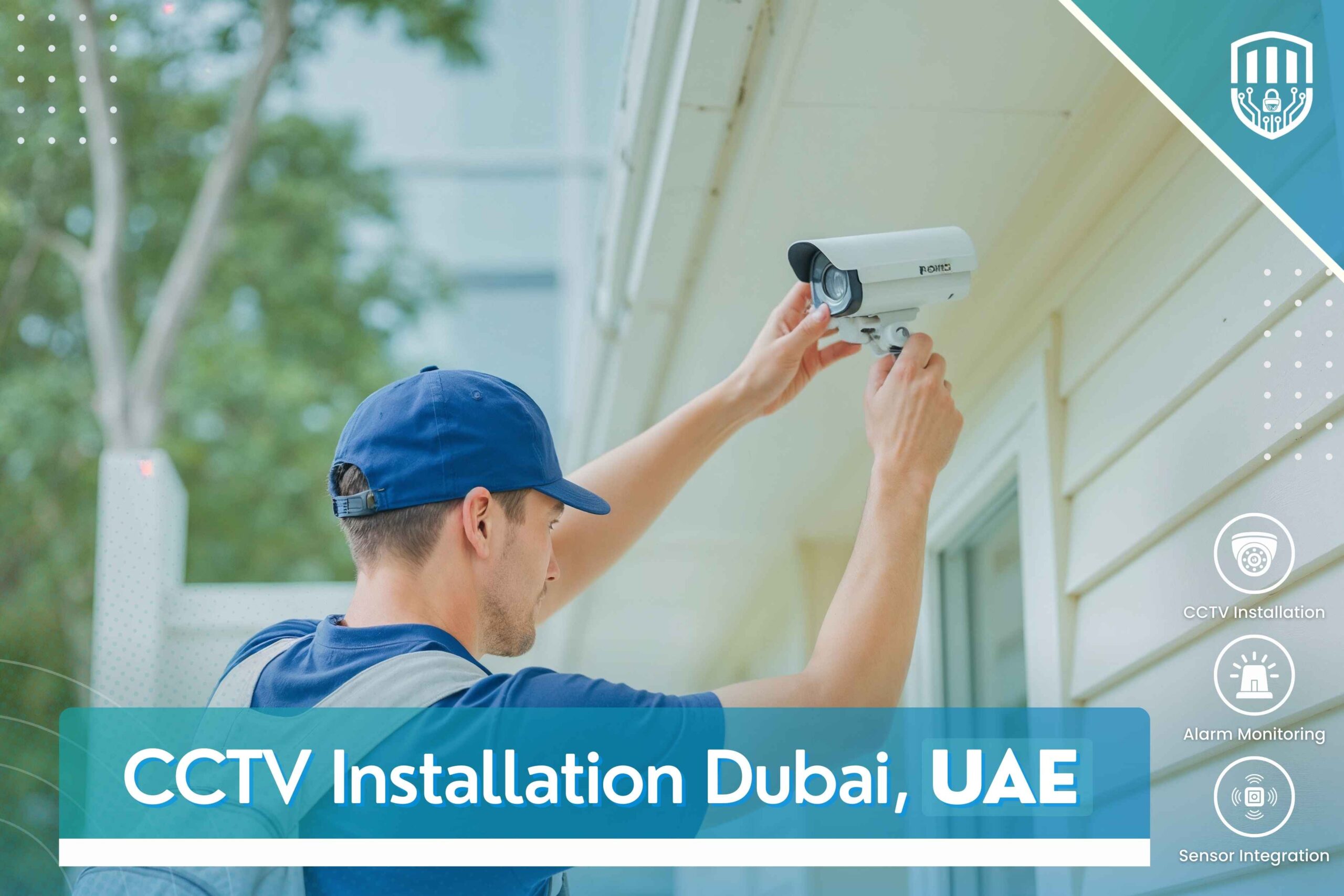
How to Install CCTV Step by Step?
Modern security requirements in Dubai continue to evolve as residential, commercial, and industrial properties seek reliable surveillance solutions that help protect assets, monitor activities, and support overall safety. While many property owners search for information about installation procedures, achieving reliable surveillance performance requires professional planning, system design, configuration, and ongoing support. At 111 HiTech Security, every project is approached through a structured security assessment process that ensures long-term effectiveness and compliance with applicable security requirements.
Understanding the complete process of CCTV Installation helps property owners make informed decisions when selecting a surveillance system that meets their specific security objectives. Professional installation ensures that cameras, recording devices, networking infrastructure, and monitoring systems function together as a unified security solution.
Understanding CCTV Installation Basics
What Is CCTV Installation and Why Is It Important?
CCTV installation refers to the professional deployment of surveillance cameras, recording systems, storage devices, networking components, and monitoring platforms to create a complete security ecosystem. Proper installation helps ensure reliable video recording, effective monitoring, and comprehensive security coverage.
How CCTV Systems Improve Home and Business Security
Surveillance systems provide continuous monitoring capabilities that help detect suspicious activities, improve incident response, support investigations, and enhance overall property protection for homes, offices, warehouses, retail stores, and commercial facilities.
Key Components Required for CCTV Installation
Most surveillance systems include cameras, recording devices, storage units, networking equipment, power supplies, monitoring software, and remote access capabilities that work together to provide uninterrupted security coverage.
Planning a Successful CCTV Installation Project
Effective planning involves understanding security risks, identifying vulnerable areas, evaluating property layouts, and selecting suitable surveillance technologies that align with operational and security objectives.
Step 1: Assess Your Security Requirements
Identifying Security Risks and Vulnerable Areas
A professional security assessment helps determine which areas require monitoring, including entrances, exits, parking facilities, storage rooms, hallways, reception areas, and perimeter zones.
Determining Indoor and Outdoor Surveillance Needs
Different environments require different surveillance solutions. Indoor locations may prioritize detailed monitoring, while outdoor areas often require weather-resistant cameras capable of operating under varying environmental conditions.
Understanding Property Size and Coverage Requirements
The number of cameras and coverage zones depends on property size, layout complexity, and operational requirements. Larger properties typically require advanced surveillance planning to eliminate security gaps.
Choosing the Right CCTV System for Your Property
111 HiTech Security evaluates each property individually to recommend surveillance systems that align with operational requirements, security goals, and future expansion needs.
Step 2: Select the Right CCTV Cameras
Choosing Between Dome, Bullet, and PTZ Cameras
Different camera types are designed for specific monitoring requirements. Dome cameras are often suitable for indoor environments, bullet cameras support outdoor surveillance, and PTZ cameras provide extensive coverage for larger areas.
Wired vs Wireless CCTV Camera Systems
Both technologies offer advantages depending on the property’s infrastructure, connectivity requirements, and long-term operational expectations.
Importance of HD and 4K Camera Resolution
Higher-resolution cameras provide improved image clarity, making it easier to identify individuals, vehicles, and important security events.
Selecting Cameras with Night Vision Features
Night vision capabilities allow surveillance systems to continue monitoring effectively during low-light conditions and nighttime operations.
Smart CCTV Cameras with Remote Monitoring Capabilities
Modern surveillance systems support mobile access, intelligent alerts, and advanced analytics that enhance overall security management.
Step 3: Plan CCTV Camera Placement
Best Locations for Entrance and Exit Monitoring
Entrances and exits represent critical security points that should receive comprehensive surveillance coverage to track movements and improve security visibility.
Covering Parking Areas and Outdoor Spaces
Parking facilities, loading zones, and outdoor pathways often require strategic camera positioning to maximize visibility and minimize blind spots.
Avoiding Blind Spots in Surveillance Coverage
Professional planning ensures overlapping camera views where necessary to eliminate monitoring gaps and improve overall surveillance effectiveness.
Optimizing Camera Angles for Maximum Visibility
Camera positioning significantly impacts image quality, coverage range, and incident detection capabilities.
Ensuring Compliance with Local Security Requirements
Professional security planning helps ensure that surveillance systems align with applicable regulatory and operational requirements.
Step 4: Prepare the Installation Site
Conducting a Site Survey Before Installation
A detailed site survey identifies installation requirements, equipment locations, infrastructure needs, and operational considerations.
Measuring Camera and Equipment Locations
Accurate measurements help determine ideal camera placement and support efficient system deployment.
Planning Cabling Routes and Network Connections
Proper infrastructure planning contributes to reliable data transmission, system stability, and long-term performance.
Ensuring Adequate Power Supply Availability
Stable power distribution is essential for maintaining uninterrupted surveillance operations.
Step 5: Install CCTV Cameras
Mounting Cameras Securely in Designated Locations
Professional installation ensures cameras remain secure, stable, and properly aligned throughout their operational lifespan.
Positioning Cameras for Optimal Coverage
Effective positioning enhances visibility while supporting surveillance objectives across all monitored zones.
Installing Indoor CCTV Cameras Correctly
Indoor surveillance solutions require strategic placement to maximize monitoring effectiveness without disrupting daily activities.
Installing Outdoor CCTV Cameras for Weather Protection
Outdoor surveillance equipment must be deployed with environmental durability and long-term reliability in mind.
Step 6: Install CCTV Cabling and Wiring
Understanding CCTV Cabling Requirements
Reliable infrastructure is a critical component of successful CCTV Installation, ensuring uninterrupted communication between cameras and recording systems.
Running Power and Data Cables Safely
Professional cabling practices improve reliability, reduce signal loss, and support long-term system performance.
Organizing Cables for Long-Term Reliability
Structured cable management contributes to easier maintenance, improved troubleshooting, and operational efficiency.
Protecting Outdoor CCTV Wiring from Damage
Proper cable protection safeguards surveillance infrastructure from environmental exposure and accidental damage.
Testing Cable Connections After Installation
Comprehensive testing verifies system integrity and communication reliability.
Step 7: Configure DVR, NVR, or Storage Systems
Understanding DVR and NVR Systems
Recording devices store surveillance footage and support playback, search functionality, and incident investigations.
Connecting Cameras to Recording Devices
Professional configuration ensures stable connectivity and reliable video transmission.
Configuring Video Recording Settings
Recording schedules, retention periods, and quality settings should align with operational and compliance requirements.
Setting Up Storage and Backup Options
Appropriate storage planning protects critical surveillance footage and supports long-term data retention.
Optimizing Video Quality and Recording Performance
System tuning improves image quality, storage efficiency, and monitoring effectiveness.
Step 8: Set Up Remote Viewing and Mobile Monitoring
Connecting CCTV Systems to the Internet
Internet connectivity enables secure remote access capabilities for authorized users.
Configuring Mobile App Access
The availability of CCTV Camera Installation Services from 111 HiTech Security includes professional remote monitoring configuration for convenient system access.
Enabling Real-Time Remote Surveillance
Real-time monitoring allows users to view live footage and receive security notifications from virtually any location.
Managing User Access and Security Permissions
Access control settings help maintain security and ensure authorized system usage.
Step 9: Test the Complete CCTV System
Checking Camera Image Quality and Coverage
Final testing verifies image clarity, camera functionality, and surveillance effectiveness.
Verifying Night Vision Performance
Nighttime testing confirms visibility and monitoring reliability during low-light conditions.
Testing Motion Detection and Alert Functions
Advanced monitoring features should be tested to ensure proper operation.
Confirming Recording and Playback Features
Recording verification ensures footage is stored correctly and can be retrieved when required.
Ensuring Remote Monitoring Works Properly
Comprehensive system validation helps confirm all monitoring features operate as intended.
Common CCTV Installation Mistakes to Avoid
Poor Camera Placement and Coverage Planning
Improper positioning can create security gaps and reduce surveillance effectiveness.
Ignoring Future Expansion Requirements
Scalable systems provide flexibility for future security enhancements.
Using Low-Quality Cabling and Equipment
Infrastructure quality directly impacts surveillance reliability and performance.
Failing to Test the System After Installation
Comprehensive testing is essential for ensuring operational readiness.
Overlooking Maintenance and System Updates
Ongoing maintenance helps maintain optimal performance and reliability.
Benefits of Professional CCTV Installation Services
Accurate Security Assessment and Planning
Professional planning improves surveillance coverage and security effectiveness.
Proper Camera Positioning and Coverage
Strategic deployment minimizes blind spots and strengthens monitoring capabilities.
Reliable Cabling and Network Configuration
Professional CCTV System Installation helps ensure long-term operational stability and consistent performance.
Long-Term System Stability and Performance
Professionally deployed systems typically deliver greater reliability and reduced operational disruptions.
Access to Technical Support and Maintenance
111 HiTech Security provides ongoing support that helps maximize surveillance effectiveness over time.
CCTV Maintenance After Installation
Regular Camera Cleaning and Inspection
Routine inspections help maintain image quality and system functionality.
Checking Recording and Storage Performance
Storage systems should be reviewed regularly to ensure continued recording reliability.
Monitoring Network and Connectivity Status
Stable connectivity supports uninterrupted surveillance operations.
Updating CCTV Software and Firmware
System updates enhance performance, security, and compatibility.
Scheduling Routine System Maintenance
Surveillance Camera Installation Services are most effective when combined with preventive maintenance programs that support long-term reliability.
Final Thoughts on CCTV Installation
Following the Right CCTV Installation Process
A structured approach to CCTV Installation helps ensure effective surveillance coverage, reliable monitoring, and long-term system performance.
Ensuring Reliable Long-Term Security Coverage
Professional planning, deployment, testing, and maintenance contribute to consistent security protection.
Choosing Professional CCTV Installation Experts for Best Results
111 HiTech Security delivers comprehensive CCTV solutions designed to support residential, commercial, and industrial security requirements throughout Dubai, providing clients with reliable surveillance systems, expert guidance, and ongoing technical support.
Professional CCTV Camera Types Services in Dubai, UAE
Get reliable and advanced security solutions in Dubai from 111 HiTech Security. We provide professional installation, maintenance, and support services for residential, commercial, and industrial properties across Dubai, UAE.