

Best CCTV Installation & Cabling Tips
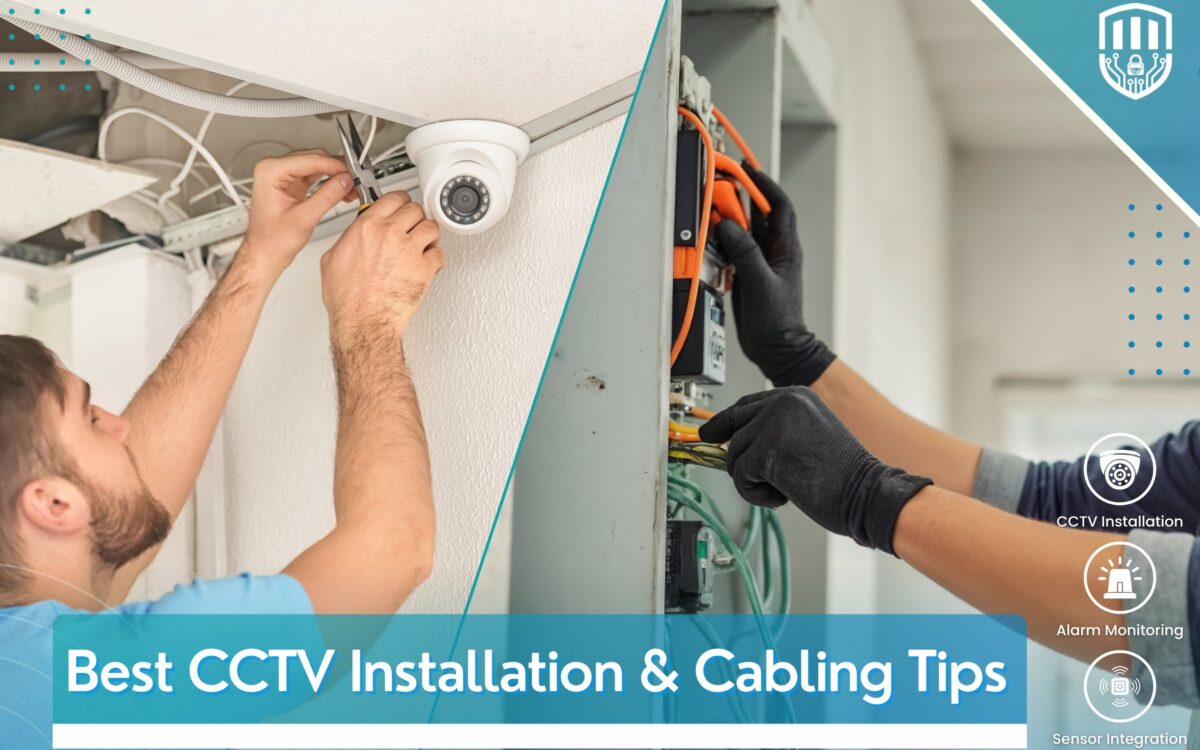
The best CCTV installation and cabling practices begin with proper planning and camera placement. Cameras should be installed at key entry and exit points, parking areas, hallways, and other locations that require continuous monitoring. High-quality cables should be used to ensure stable video transmission, and all wiring should be routed neatly through conduits or protective channels to reduce damage and maintain a professional appearance. It is also important to test camera angles, network connections, and recording systems before completing the installation.
Following Best CCTV Installation & Cabling Tips can help improve system performance, reliability, and long-term security. Proper cable management reduces signal loss and maintenance issues, while correct camera positioning helps eliminate blind spots and maximize coverage. Regular inspections, secure cable connections, and the use of quality installation materials can ensure that the CCTV system operates efficiently and provides clear surveillance footage when it is needed most.
Why Proper CCTV Installation and Cabling Matter?
The Role of Professional CCTV Camera Placement
Camera positioning directly impacts the effectiveness of a surveillance system. Professional placement ensures that entrances, exits, parking areas, hallways, storage rooms, and other critical zones remain under continuous monitoring. Proper positioning reduces blind spots and improves overall surveillance coverage.
How Quality Cabling Improves Security System Performance
Reliable cabling supports uninterrupted video transmission and stable system performance. High-quality cabling infrastructure minimizes signal degradation, improves image clarity, and enhances system longevity.
Common CCTV Installation Mistakes to Avoid
Improper camera placement, poor cable management, insufficient coverage planning, and inadequate storage configuration can negatively impact security operations. Following professional installation standards helps avoid these issues and improves system efficiency.
Choosing the Right CCTV System for Your Property
IP Cameras vs Analog Cameras
IP cameras offer advanced networking capabilities, remote access, and higher video resolutions, while analog systems provide dependable monitoring for many standard security applications. Selecting the right technology depends on property requirements, monitoring objectives, and future expansion plans.
Indoor and Outdoor CCTV Camera Selection
Different environments require different surveillance solutions. Outdoor cameras require weather-resistant designs, while indoor cameras focus on monitoring internal movement and activities.
Factors to Consider Before CCTV Installation
Property size, security objectives, lighting conditions, recording requirements, and future scalability should all be evaluated before installation. These considerations form the foundation of effective Best CCTV Installation & Cabling Tips implementation.
Essential CCTV Cabling Tips for Reliable Performance
Selecting the Best Cable for CCTV Systems
The type of cable used can significantly affect surveillance quality. Proper cable selection ensures stable connectivity, reliable transmission, and consistent recording performance.
Understanding Cat6, Cat5e, and Coaxial Cables
Modern CCTV networks commonly utilize Cat6 and Cat5e network cabling for IP-based systems, while coaxial cabling remains suitable for many traditional surveillance installations. Each option offers specific advantages depending on system architecture.
Cable Length and Signal Quality Considerations
Excessive cable lengths may impact signal quality and overall system efficiency. Professional planning ensures optimal routing that supports long-term surveillance reliability.
Protecting CCTV Cables from Damage and Interference
Proper cable protection helps prevent environmental damage, accidental cuts, electromagnetic interference, and connectivity failures. Strategic cable routing contributes to better system performance and lower maintenance requirements.
Best Practices for CCTV Camera Installation
Determining Optimal Camera Locations
Effective surveillance begins with identifying critical monitoring zones. Entry points, parking facilities, loading areas, reception spaces, and restricted-access locations typically require priority coverage.
Covering Entry Points and High-Risk Areas
Monitoring access points helps reduce unauthorized entry and improves incident documentation. Comprehensive surveillance planning strengthens overall security management.
Installing Cameras for Maximum Visibility
Proper camera angles allow wider viewing ranges while maintaining image clarity. Professional installers ensure that cameras capture essential details without obstruction.
Avoiding Blind Spots in Surveillance Coverage
One of the most important Best CCTV Installation & Cabling Tips involves eliminating blind spots that could create security vulnerabilities. Complete coverage improves situational awareness and incident investigation capabilities.
Network and Power Management Tips for CCTV Systems
Power over Ethernet (PoE) Benefits
PoE technology allows power and data transmission through a single network cable, simplifying installation while improving operational efficiency and cable management.
Managing CCTV Power Supply Safely
Reliable power infrastructure supports continuous surveillance operations. Proper power distribution minimizes downtime and protects critical security equipment.
Securing Your CCTV Network from Cyber Threats
Network security measures help protect surveillance systems from unauthorized access. Strong access controls and secure configurations contribute to system integrity.
Organizations seeking a complete CCTV Camera Wiring Guide often focus on network reliability, secure routing methods, and infrastructure designed for long-term operational performance.
CCTV Recording and Storage Recommendations
Choosing the Right NVR or DVR System
Recording systems serve as the backbone of surveillance infrastructure. Selecting the appropriate recorder depends on camera quantity, video quality requirements, and retention policies.
Video Storage Capacity Planning
Storage planning should account for recording resolution, frame rates, camera counts, and required retention periods. Adequate storage helps maintain compliance and supports future investigations.
Backup and Remote Monitoring Tips
Backup solutions improve data protection and business continuity. Remote monitoring capabilities allow authorized users to access surveillance footage from virtually any location.
Many businesses rely on a comprehensive CCTV Cabling and Setup Guide when evaluating long-term surveillance infrastructure requirements and future expansion opportunities.
CCTV Maintenance Tips for Long-Term Performance
Regular Camera Cleaning and Inspection
Routine maintenance helps preserve image quality and ensures cameras continue operating effectively under varying environmental conditions.
Checking Cabling and Connections Periodically
Periodic inspections help identify wear, loose connections, or potential infrastructure issues before they impact surveillance operations.
Updating CCTV Firmware and Software
Software updates improve functionality, enhance cybersecurity protections, and support compatibility with evolving security technologies.
Following professional Security Camera Installation Tips helps ensure surveillance systems remain reliable, secure, and effective throughout their operational lifespan.
Signs You Need Professional CCTV Installation Services
Frequent Signal Loss or Video Interruptions
Persistent connectivity issues may indicate cabling problems, infrastructure limitations, or improper system configuration requiring professional assessment.
Poor Camera Coverage and Image Quality
Inadequate surveillance coverage can create vulnerabilities. Professional evaluations help identify opportunities for improved camera positioning and system optimization.
Expanding Your Existing CCTV System
As security requirements grow, system expansion may require additional cameras, upgraded storage capacity, and enhanced network infrastructure. Professional planning ensures seamless integration.
Conclusion
Key CCTV Installation and Cabling Tips to Remember
Effective surveillance depends on proper system design, strategic camera placement, reliable cabling infrastructure, secure networking practices, and ongoing maintenance. Implementing the Best CCTV Installation & Cabling Tips helps maximize system performance and security effectiveness.
How Professional Installation Enhances Security
111 HiTech Security delivers customized surveillance solutions designed around each property’s specific security requirements. From planning and installation to maintenance and support, our professional team ensures every CCTV system operates efficiently, reliably, and in accordance with industry standards. Whether securing residential, commercial, or industrial facilities, choosing experienced professionals helps achieve long-term protection and peace of mind.
CCTV Installation Best Practices combined with expert implementation provide the foundation for a dependable surveillance system capable of protecting people, assets, and property around the clock.
111 HiTech Security Services in Dubai, UAE
Get reliable and advanced security solutions in Dubai from
111 HiTech Security. We provide professional installation, maintenance, repair, and technical support services for residential, commercial, and industrial properties across Dubai, UAE.
111 HiTech Security is a trusted SIRA Approved Service Provider in Dubai, UAE, offering professional CCTV installation, home security cameras, access control systems, structured cabling, and advanced surveillance solutions for residential and commercial properties across Dubai.