

Important Aspects to Consider When Installing a CCTV Camera
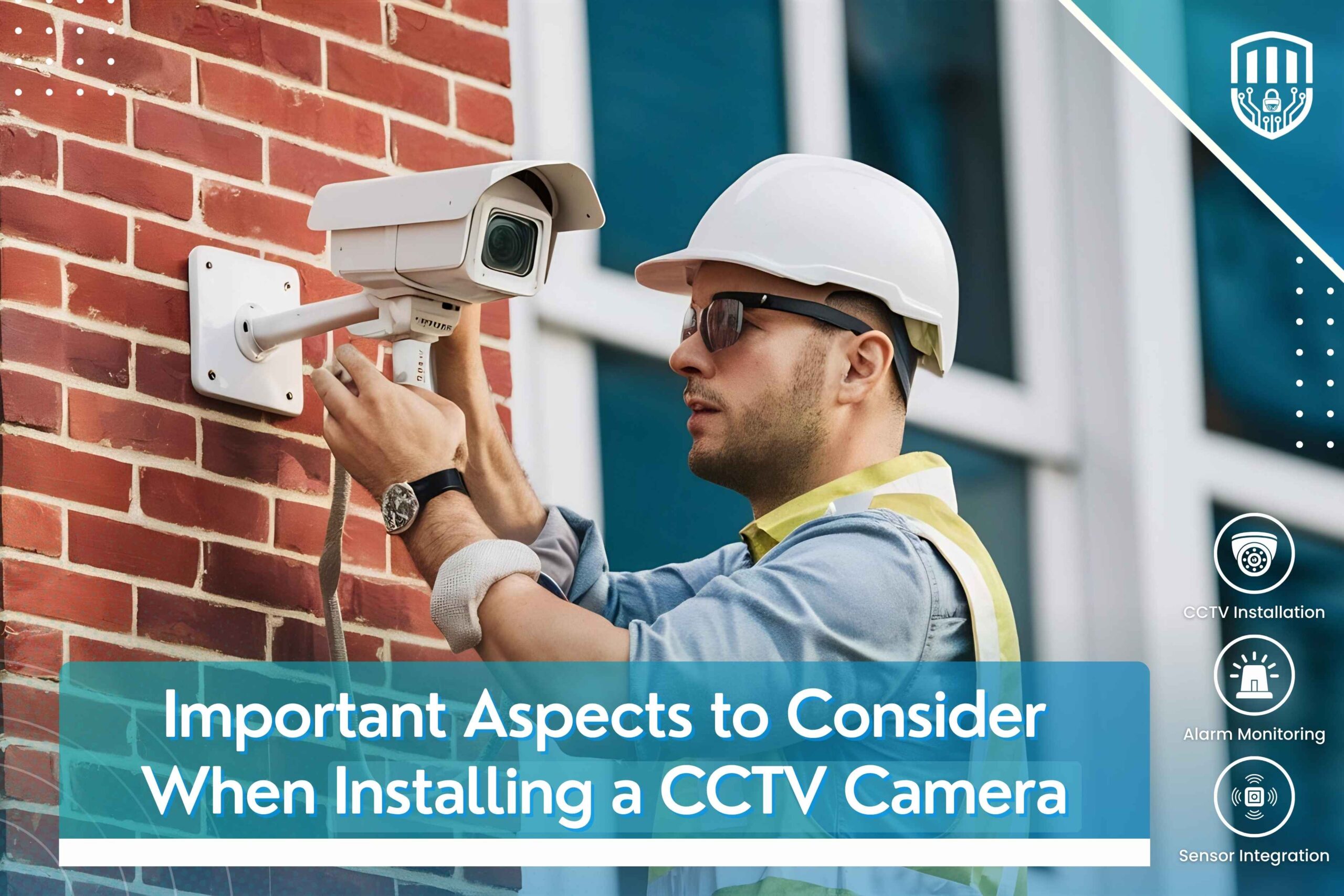
When installing a CCTV camera, several important aspects must be considered to ensure effective surveillance and reliable performance. These include selecting the right camera type (indoor or outdoor), determining proper placement for maximum coverage, ensuring clear visibility in low-light conditions, and choosing a suitable recording system with enough storage capacity. It is also essential to consider the camera resolution, field of view, weather resistance, and network connectivity to achieve high-quality monitoring results.
Proper planning plays a key role in achieving a secure and efficient setup. Understanding the Important Aspects to Consider When Installing a CCTV Camera helps homeowners and businesses avoid blind spots, reduce security risks, and ensure smooth system operation. Factors such as professional installation, regular maintenance, and secure access control also contribute to long-term reliability and better protection of the property.
Introduction to CCTV Camera Installation and Its Importance
Why CCTV Installation Matters for Homes and Businesses
CCTV systems act as a continuous monitoring solution that helps deter unauthorized access, record critical events, and improve overall situational awareness. Whether for residential protection or commercial security, properly installed systems significantly reduce security risks and improve response times during incidents.
Growing Demand for Security Camera Systems
As urban development expands, the need for advanced surveillance systems increases, making professional installation a necessary step for ensuring proper coverage, data reliability, and operational efficiency.
Choosing the Right Type of CCTV Camera
Dome Cameras vs Bullet Cameras
Dome cameras are commonly used for indoor monitoring due to their discreet design, while bullet cameras are preferred for outdoor surveillance because of their long-range visibility and directional focus.
Indoor vs Outdoor CCTV Cameras
Indoor cameras are designed for controlled environments, whereas outdoor cameras must withstand weather conditions while maintaining stable performance.
Wired vs Wireless Security Cameras
Wired systems offer stable connectivity, while wireless systems provide flexibility in installation depending on infrastructure availability.
IP Cameras vs Analog Cameras
IP cameras deliver high-resolution video and remote access capabilities, while analog systems are typically used in simpler setups with basic monitoring requirements.
Key Factors to Consider Before Installing CCTV Cameras
Location and Coverage Area Planning
Proper planning ensures that all critical zones such as entry points, corridors, and restricted areas are covered without blind spots. A professional CCTV Installation Guide and Best Practices approach ensures optimal system design from the beginning.
Lighting Conditions and Night Vision Support
Lighting plays a crucial role in video clarity, and night vision technology ensures uninterrupted monitoring in low-light environments.
Camera Resolution and Image Quality
High-resolution cameras provide clearer footage, which is essential for identifying individuals, vehicles, and security incidents accurately.
Weather Resistance and Durability for Outdoor Use
Outdoor cameras must be designed to withstand heat, dust, humidity, and rainfall while maintaining performance consistency.
Proper Camera Placement for Maximum Security
Entry and Exit Point Coverage
All access points should be monitored to ensure complete visibility of movement in and out of the property.
Blind Spot Identification and Elimination
Eliminating blind spots ensures that no critical area remains unmonitored, strengthening overall surveillance effectiveness.
Height and Angle Optimization for Best Viewing
Correct positioning improves facial recognition clarity and reduces the chances of tampering or obstruction.
Avoiding Obstructions and Signal Interference
Clear camera lines of sight and proper placement help maintain uninterrupted recording and system reliability.
Storage and Recording Options for CCTV Systems
DVR vs NVR Systems Explained
DVR systems are used with analog cameras, while NVR systems support IP-based surveillance solutions with advanced recording capabilities.
Cloud Storage Benefits and Limitations
Cloud storage allows remote access to footage but requires stable internet connectivity and proper security configurations.
Storage Capacity and Video Retention Period
Storage requirements depend on camera count, resolution, and desired retention duration for recorded footage.
Connectivity and Remote Monitoring Features
Mobile App Integration for Real-Time Monitoring
Modern systems allow users to view live footage remotely, improving convenience and situational awareness.
Internet Requirements for IP Camera Systems
Stable internet connectivity is essential for uninterrupted streaming and remote access functionality.
Alerts, Motion Detection, and Smart Notifications
Advanced systems provide instant alerts for unusual activity, enabling faster response to security events.
Power Supply and Backup Solutions
Continuous Power Supply Considerations
Reliable power ensures uninterrupted surveillance and consistent system performance.
UPS and Battery Backup Systems
Backup solutions help maintain functionality during power failures, ensuring continuous monitoring.
Power Consumption and Efficiency
Efficient system design reduces energy usage while maintaining optimal performance.
Legal and Privacy Considerations in CCTV Installation
Understanding Local Surveillance Laws
Surveillance systems must comply with local regulations governing public and private monitoring practices.
Privacy Protection and Ethical Camera Placement
Cameras should be positioned responsibly to ensure privacy rights are respected while maintaining security coverage.
Avoiding Restricted Recording Areas
Some areas require restricted monitoring, and compliance is essential to avoid legal issues.
Maintenance and Long-Term Performance of CCTV Systems
Regular Cleaning and Lens Maintenance
Clean lenses ensure clear footage and optimal system performance over time.
Software Updates and System Upgrades
Regular updates improve security features, compatibility, and system efficiency.
Troubleshooting Common CCTV Issues
Addressing minor technical issues early helps maintain system stability and prevents major failures.
Hiring a Professional CCTV Installation Service
Benefits of Professional Installation
Professional services ensure correct system design, optimal camera placement, and reliable long-term operation without technical complications.
How to Choose the Right Security Company
Choosing an experienced provider ensures better system performance and dependable support throughout the system lifecycle.
Cost Factors and Service Packages
Costs vary depending on system size, technology type, and installation complexity, making professional consultation essential for accurate planning.
Conclusion: Ensuring Maximum Security with Proper CCTV Installation
Final Tips for a Reliable Security Setup
A well-planned CCTV system ensures complete coverage, reliable recording, and long-term operational stability, which is why careful evaluation of all installation factors is essential.
Importance of Planning Before Installation
Understanding the Important Aspects to Consider When Installing a CCTV Camera helps property owners make informed decisions that improve safety and reduce future technical challenges. At 111 HiTech Security, we specialize in delivering professional surveillance solutions tailored to residential, commercial, and industrial requirements, ensuring every installation is designed for maximum efficiency, compliance, and long-term reliability.
For businesses exploring advanced surveillance setups such as How to Choose CCTV Camera Installation System or upgrading existing infrastructure, expert planning and professional execution remain key to achieving effective security outcomes.
111 HiTech Security Services in Dubai, UAE
Get reliable and advanced security solutions in Dubai from
111 HiTech Security. We provide professional installation, maintenance, repair, and technical support services for residential, commercial, and industrial properties across Dubai, UAE.
111 HiTech Security is a trusted SIRA Approved Service Provider in Dubai, UAE, offering professional CCTV installation, home security cameras, access control systems, structured cabling, and advanced surveillance solutions for residential and commercial properties across Dubai.