

Structured Cabling Networking Setup Guide
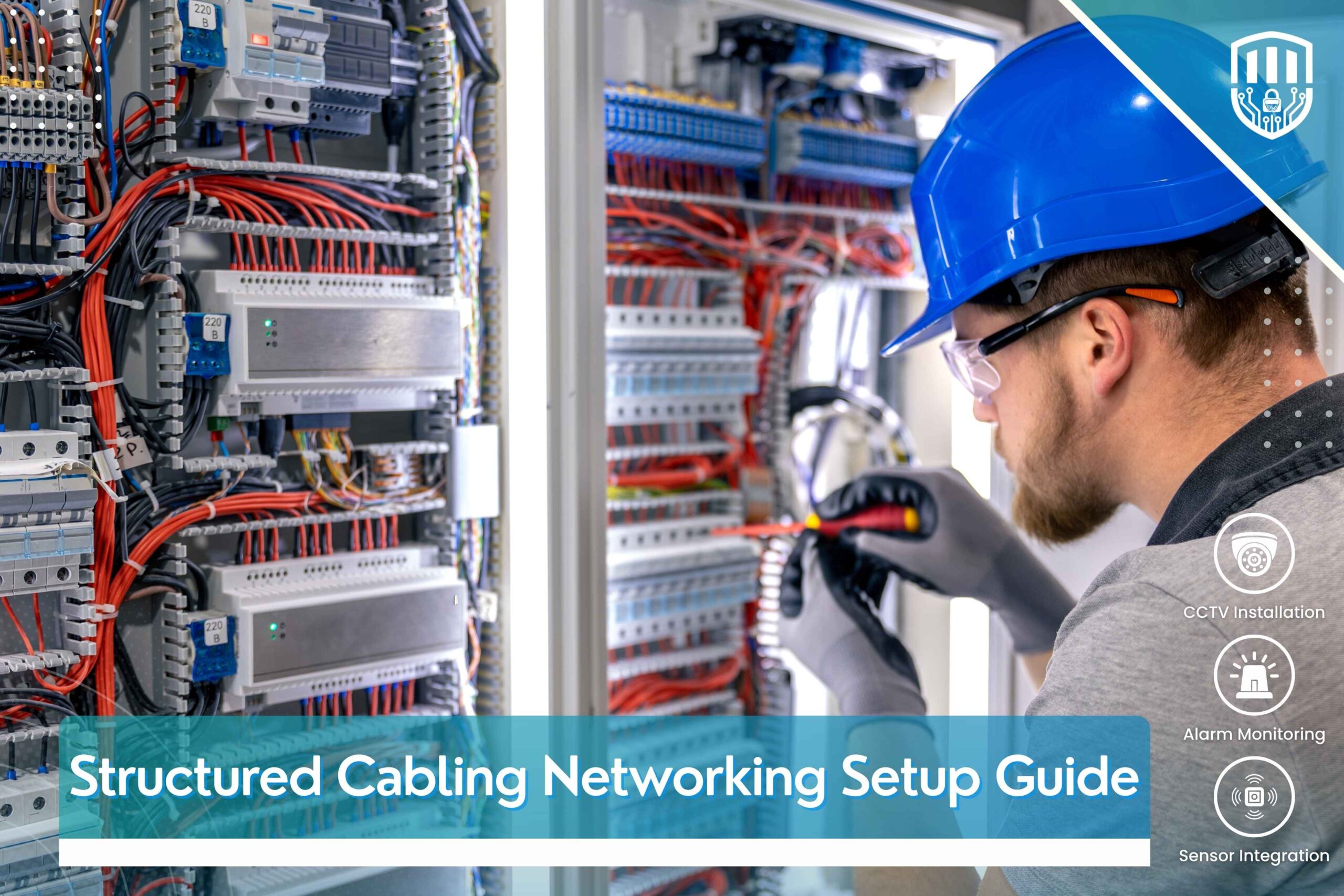
A structured cabling networking setup involves designing and installing a well-organized system of cables and hardware that supports data, voice, and video communication within a building. The process typically begins with planning the network layout, identifying device locations, and selecting the appropriate cable types such as Cat6 or fiber optic cables. After planning, installation includes running cables through walls or conduits, setting up patch panels, installing network racks, and ensuring proper labeling for easy maintenance and future upgrades.
Following a proper installation method is essential to ensure network stability, speed, and long-term performance. A clear understanding of the Structured Cabling Networking Setup Guide helps technicians and businesses build a reliable infrastructure that reduces downtime and supports scalable connectivity for future expansion. Proper testing and certification of each cable run also ensure that the system meets industry standards and delivers consistent performance across all connected devices.
Introduction to Structured Cabling Systems
What Is Structured Cabling in Networking?
The Structured Cabling Networking Setup Guide is designed to help businesses understand how modern network infrastructure is built in a systematic, organized, and scalable way, ensuring that all communication systems such as internet, CCTV, access control, and data transfer operate through a unified cabling framework managed professionally by 111 HiTech Security. Structured cabling refers to a standardized method of designing and installing network wiring so that every device is connected efficiently without confusion, signal loss, or unnecessary complexity.
Why Structured Cabling Is Important for Modern Businesses
In today’s digital-first environment, businesses in offices, warehouses, retail stores, and industrial facilities depend heavily on uninterrupted connectivity, making structured cabling a critical part of operational success and long-term infrastructure planning.
Key Benefits of a Proper Network Cabling Setup
Network Stability and Speed – A properly designed system ensures faster and more stable communication between devices.
Scalability for Future Growth – Businesses can easily expand without redesigning the entire network infrastructure.
Reduced Maintenance Issues – Organized cabling reduces technical faults and downtime.
Types of Structured Cabling Systems
Horizontal Cabling Explained
Horizontal cabling connects individual workstations, devices, and endpoints within the same floor or area, ensuring smooth local communication between systems.
Backbone Cabling Overview
Backbone cabling connects different floors, buildings, or network segments, forming the central communication pathway for high-volume data transfer.
Patch Cables and Patch Panels in Networking
Patch panels organize cable connections and allow easy management, while patch cables connect devices to network switches in a structured manner.
Copper vs Fiber Optic Cabling Differences
Copper cables are commonly used for short-distance connections, while fiber optic cables provide high-speed data transmission over long distances with minimal interference.
Planning a Structured Cabling Installation
Assessing Business Network Requirements
A detailed analysis of business operations, device usage, and data requirements ensures that the cabling system is designed according to actual operational needs.
Designing an Efficient Cabling Layout
Proper layout design ensures organized cable pathways, reduced interference, and maximum performance efficiency.
Choosing the Right Cable Category (Cat5e, Cat6, Cat6a, Fiber)
Each cable category supports different speed and bandwidth requirements, making selection an important step in system performance optimization.
Compliance and Industry Standards to Follow
Structured cabling must follow international standards to ensure safety, reliability, and long-term operational consistency.
Step-by-Step Structured Cabling Installation Process
Site Survey and Network Planning
A professional site survey ensures proper understanding of layout, distance, and connectivity requirements before installation begins.
Cable Routing and Pathway Preparation
Proper routing ensures that cables are installed in a structured manner, avoiding interference and physical damage.
Cable Pulling and Labeling Best Practices
Each cable is carefully installed and labeled to simplify future maintenance and troubleshooting processes.
Termination of Cables and Patch Panel Setup
Cables are terminated at patch panels and network outlets to ensure stable and organized connectivity.
Testing and Certification of Network Cables
Every connection is tested to ensure performance standards are met before the system goes live.
Network Equipment Used in Structured Cabling
Role of Patch Panels and Network Switches
These components manage data flow efficiently and ensure smooth communication between devices across the network.
Importance of Racks and Cable Management Tools
Racks provide physical organization, while cable management tools ensure safety and system efficiency.
Use of Keystone Jacks and Wall Outlets
These components allow structured access points for connecting devices securely and efficiently.
Fiber Optic Transceivers and Connectors
They enable high-speed communication between fiber optic cables and networking devices.
Best Practices for Structured Cabling Setup
Proper Cable Management Techniques
Organized cable systems improve airflow, reduce damage risks, and enhance system performance.
Avoiding Common Installation Mistakes
Avoiding improper routing, poor labeling, and overcrowding ensures long-term network stability.
Ensuring Future Network Scalability
Designing with future expansion in mind prevents costly redesigns later.
Maintaining Signal Quality and Performance
Proper installation techniques ensure minimal signal loss and consistent performance.
Structured Cabling for Different Environments
Office Network Cabling Setup
Office environments require flexible and scalable cabling systems to support daily operations and communication tools.
Industrial and Warehouse Cabling Solutions
Industrial setups require durable and high-performance cabling systems that can handle heavy data loads.
Data Centers Structured Cabling Design
Data centers require highly organized and high-speed cabling infrastructure for uninterrupted operations.
Residential Network Cabling Setup
Residential systems focus on stable internet connectivity and smart home integration.
Common Problems in Network Cabling and Solutions
Signal Loss and Interference Issues
Poor cable quality or incorrect installation can lead to reduced signal strength and performance issues.
Cable Damage and Poor Termination Problems
Improper handling may lead to broken connections and unstable network performance.
Network Downtime Due to Bad Cabling Design
A poorly planned system increases downtime and disrupts business operations.
Troubleshooting Structured Cabling Errors
Proper documentation and testing help quickly identify and resolve network issues.
Cost Factors in Structured Cabling Installation
Material Costs and Cable Types
Costs vary depending on whether copper, fiber optic, or hybrid systems are used.
Labor and Installation Charges
Professional installation ensures long-term reliability and proper system performance.
Maintenance and Upgrade Costs
Regular maintenance ensures system stability and reduces long-term expenses.
Budget Planning for Small and Large Networks
Proper budgeting ensures scalable and efficient infrastructure development.
Conclusion: Why Structured Cabling Is Essential for Reliable Networking
Long-Term Benefits of Professional Cabling Setup
A properly implemented Structured Cabling Networking Setup Guide ensures reliable performance, scalability, and efficiency for businesses of all sizes, especially when executed by experienced professionals like 111 HiTech Security.
Future-Proofing Your Network Infrastructure
Investing in structured cabling ensures long-term stability and prepares your business for future technological advancements.
111 HiTech Security Services in Dubai, UAE
Get reliable and advanced security solutions in Dubai from
111 HiTech Security. We provide professional installation, maintenance, repair, and technical support services for residential, commercial, and industrial properties across Dubai, UAE.
111 HiTech Security is a trusted SIRA Approved Service Provider in Dubai, UAE, offering professional CCTV installation, home security cameras, access control systems, structured cabling, and advanced surveillance solutions for residential and commercial properties across Dubai.