

Why Is IP CCTV Better Than Analog CCTV Today?
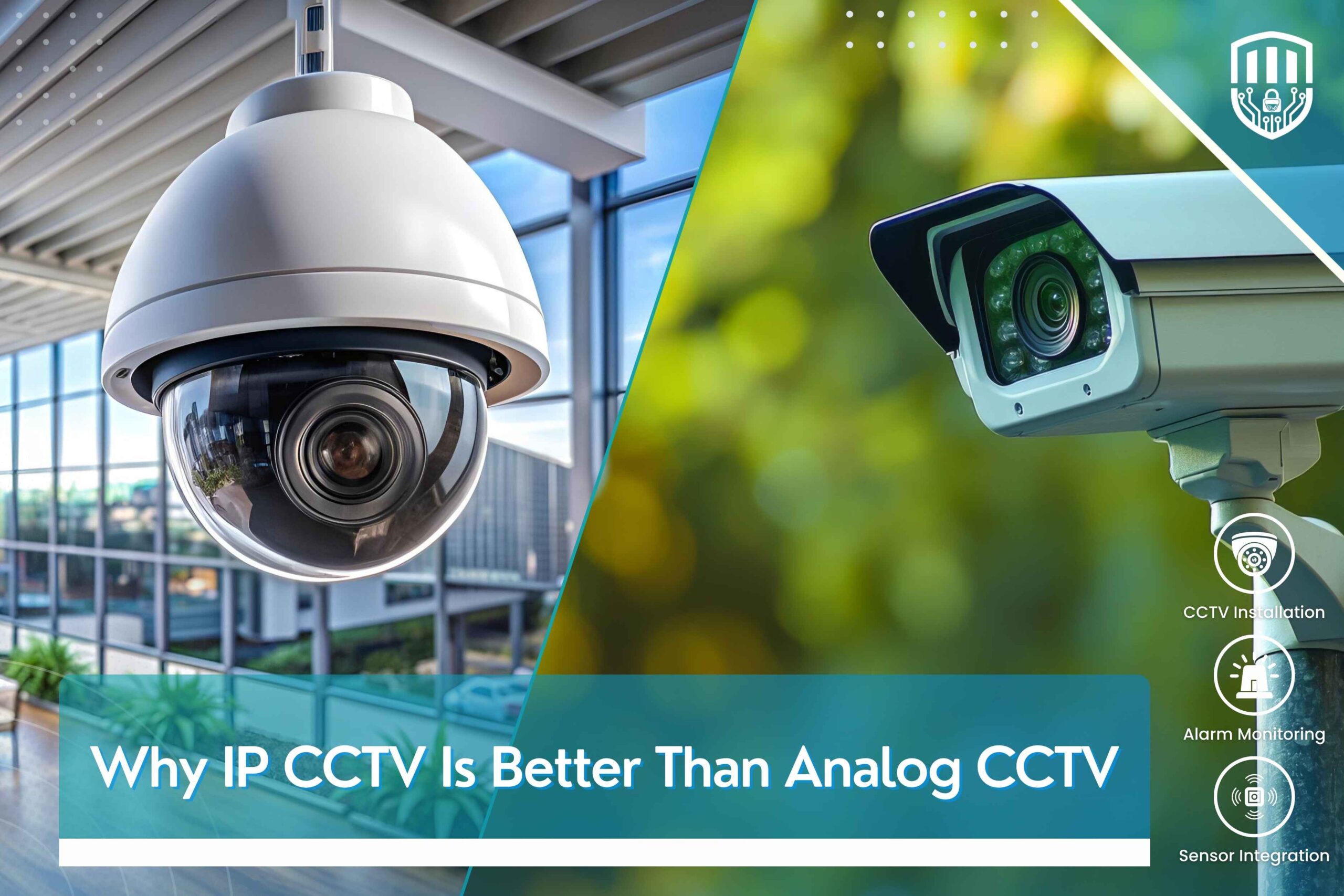
IP CCTV systems are considered more advanced than traditional analog CCTV systems because they provide higher video quality, better scalability, and more flexible installation options. Unlike analog systems that transmit video through coaxial cables, IP cameras use internet networks to deliver clear digital footage with higher resolution and improved detail. This makes it easier to identify faces, number plates, and other important visual information. IP systems also support remote access, cloud storage, and smart features like motion detection and AI-based analytics, which enhance overall security performance.
When comparing both technologies, IP CCTV stands out as a modern solution for reliable surveillance, offering easier integration with other smart security systems and long-term efficiency for residential and commercial use. Many property owners prefer upgrading because of its flexibility and advanced monitoring capabilities. Why IP CCTV Is Better Than Analog CCTV represents the importance of understanding how modern IP-based surveillance systems deliver superior performance, better image clarity, and improved security management compared to traditional analog CCTV setups.
Introduction to CCTV Systems: IP vs Analog Technology
Security surveillance has become an essential requirement for homes, businesses, and industrial spaces, especially as modern environments demand higher levels of protection, monitoring accuracy, and real-time accessibility. In this context, understanding Why IP CCTV Is Better Than Analog CCTV: A Complete Guide becomes important for making informed decisions about security infrastructure that can support long-term safety needs and operational efficiency.
In simple terms, CCTV systems are designed to capture and record video footage for monitoring activities, preventing unauthorized access, and providing evidence when required. However, the underlying technology used in these systems varies significantly, and this difference directly impacts performance, scalability, and reliability. At 111 HiTech Security, security solutions are designed to meet modern surveillance expectations by integrating advanced IP-based technologies that offer higher clarity and smarter control.
The comparison between IP and analog systems is not only about technology but also about long-term value, legal compliance readiness, and adaptability to future security requirements in evolving environments like residential communities, commercial buildings, and high-security zones.
Why Choosing the Right CCTV System Matters for Security
Selecting the correct surveillance system determines how effectively threats can be detected and prevented. A system with outdated technology may fail to capture critical details, whereas advanced systems ensure real-time clarity and remote accessibility, which are essential for modern monitoring needs.
Overview of IP CCTV and Analog CCTV Systems
IP CCTV operates through digital networks, while analog systems rely on traditional coaxial cable transmission. This fundamental difference influences image quality, storage flexibility, and integration with smart security systems.
What is IP CCTV? Understanding Modern Surveillance Technology
How IP Cameras Work in a Network-Based System
IP cameras convert video footage into digital signals and transmit them over a network, allowing users to access live feeds remotely through secure internet connections. This enables centralized monitoring and cloud-based storage solutions.
Key Features of IP CCTV Cameras
These systems offer high-definition resolution, AI-based motion detection, remote access, and advanced encryption protocols that enhance both usability and cybersecurity protection.
Types of IP CCTV Systems Used Today
Modern setups include dome cameras, bullet cameras, PTZ cameras, and wireless IP solutions designed for scalable and flexible deployment in different environments.
What is Analog CCTV? Traditional Surveillance Explained
How Analog CCTV Cameras Transmit Video Signals
Analog systems transmit video through coaxial cables to a DVR unit, which records and stores footage for later review. This method has been widely used in older installations.
Limitations of Analog Surveillance Systems
Lower resolution, limited scalability, and restricted remote access make analog systems less suitable for modern security requirements.
Where Analog CCTV Is Still Used
These systems are still used in basic surveillance setups where cost is a primary concern and advanced monitoring features are not required.
IP CCTV vs Analog CCTV: Key Differences Explained
Video Quality Comparison (HD vs Standard Resolution)
IP systems deliver high-definition and ultra-HD video clarity, while analog systems generally provide lower resolution outputs that may not capture fine details.
Installation and Wiring Differences
IP systems use network cables and PoE technology, reducing wiring complexity, whereas analog systems require separate power and video cables.
Storage and Recording Capabilities
IP CCTV supports cloud storage and scalable recording solutions, while analog systems depend on DVR-based local storage with limited expansion options.
Remote Access and Smart Monitoring Features
IP systems allow real-time monitoring through mobile devices, making them more efficient for modern security management.
Why IP CCTV Is Better Than Analog CCTV
Understanding Why IP CCTV Is Better Than Analog CCTV: A Complete Guide is essential when evaluating long-term security investments, especially in environments where clarity, scalability, and intelligent monitoring are required.
Higher Image and Video Quality for Clear Surveillance
IP cameras provide sharper images that help in identifying faces, license plates, and critical security details with precision.
Advanced Security Features and AI Integration
Modern systems include AI-based analytics, facial detection, and smart alerts that improve proactive security response.
Easy Scalability for Future Expansion
IP-based systems can easily expand without major infrastructure changes, making them suitable for growing businesses and properties.
Better Night Vision and Motion Detection Technology
Enhanced sensors ensure improved performance in low-light environments, ensuring continuous monitoring.
Remote Access Through Mobile and Cloud Systems
Users can monitor live footage from anywhere, ensuring constant awareness and control over security operations.
Cost Comparison: IP CCTV vs Analog CCTV
While analog systems may appear cost-effective initially, IP systems offer better long-term value due to reduced maintenance needs and higher efficiency in monitoring and storage capabilities.
Initial Installation Costs Breakdown
Analog systems typically have lower upfront costs, while IP systems require a higher initial investment due to advanced technology.
Long-Term Maintenance and Upgrade Costs
IP systems require fewer hardware replacements and offer software-based upgrades, reducing long-term expenses.
Which System Offers Better Value for Money?
In terms of performance, scalability, and security, IP systems provide significantly higher return on investment over time.
Installation and Maintenance Differences
IP CCTV Installation Process Explained
IP systems are integrated into network infrastructures, allowing flexible placement and centralized management.
Analog CCTV Installation Process Explained
Analog systems require extensive cabling between cameras and DVR units, making installation more rigid.
Maintenance Requirements for Both Systems
IP systems require software updates, while analog systems often require more frequent hardware servicing.
Security and Data Protection Advantages of IP CCTV
Encryption and Cybersecurity Features in IP Cameras
IP systems include encryption protocols that protect video data from unauthorized access.
Risks Associated with Analog CCTV Systems
Analog systems lack advanced cybersecurity features, making them more vulnerable to signal interception.
Protecting Surveillance Data from Unauthorized Access
Modern IP solutions ensure secure storage and controlled access permissions for authorized users only.
Best Use Cases for IP CCTV Systems
For residential, commercial, and industrial applications, IP systems are increasingly preferred due to their flexibility and intelligence-driven monitoring capabilities.
Homes and Residential Properties
Ideal for villas and apartments requiring remote access and real-time alerts.
Commercial Buildings and Offices
Supports employee safety, asset protection, and centralized monitoring systems.
Industrial and Large-Scale Security Projects
Suitable for warehouses, factories, and large premises requiring high-level surveillance.
When Analog CCTV May Still Be a Suitable Choice
Although less advanced, analog systems may still be used in limited-budget environments or basic surveillance setups where advanced features are not required.
How to Choose the Right CCTV System for Your Needs
Factors to Consider Before Buying CCTV Cameras
Consider resolution, storage, scalability, and remote access features before making a decision.
Budget, Features, and Scalability Considerations
A balanced approach ensures long-term efficiency and reduced replacement costs.
Professional Installation vs DIY Setup
Professional installation ensures proper configuration, optimized performance, and long-term reliability under expert supervision from 111 HiTech Security.
Conclusion: Making the Right Choice Between IP and Analog CCTV
Final Verdict on Modern Surveillance Systems
IP CCTV systems clearly offer superior performance, advanced features, and better long-term scalability compared to analog systems.
Future of CCTV Technology in Security Systems
With AI integration, cloud monitoring, and smart analytics, IP-based surveillance is becoming the global standard for modern security infrastructure.
111 HiTech Security Services in Dubai, UAE
Get reliable and advanced security solutions in Dubai from
111 HiTech Security. We provide professional installation, maintenance, repair, and technical support services for residential, commercial, and industrial properties across Dubai, UAE.
111 HiTech Security is a trusted SIRA Approved Service Provider in Dubai, UAE, offering professional CCTV installation, home security cameras, access control systems, structured cabling, and advanced surveillance solutions for residential and commercial properties across Dubai.